Step Three — The Transformation
Trauma Informed Therapy
Addressing the root causes of trauma with lasting, meaningful transformation
Why Combine Both Approaches
Opening the Door to Deeper Change
Brain stimulation goes a long way in reducing bothersome symptoms on its own. Clients addressing post-concussion symptoms or migraine episodes often do very well with brain stimulation alone.
However, many clients present with histories of complex emotional and relational trauma. Brain stimulation creates neurological flexibility and plasticity — an uncommon openness to change that allows clients to better address long-standing issues that previous therapy has not resolved.
The most commonly used approach is Internal Family Systems (IFS), designed specifically to address the reverberating effects of trauma.
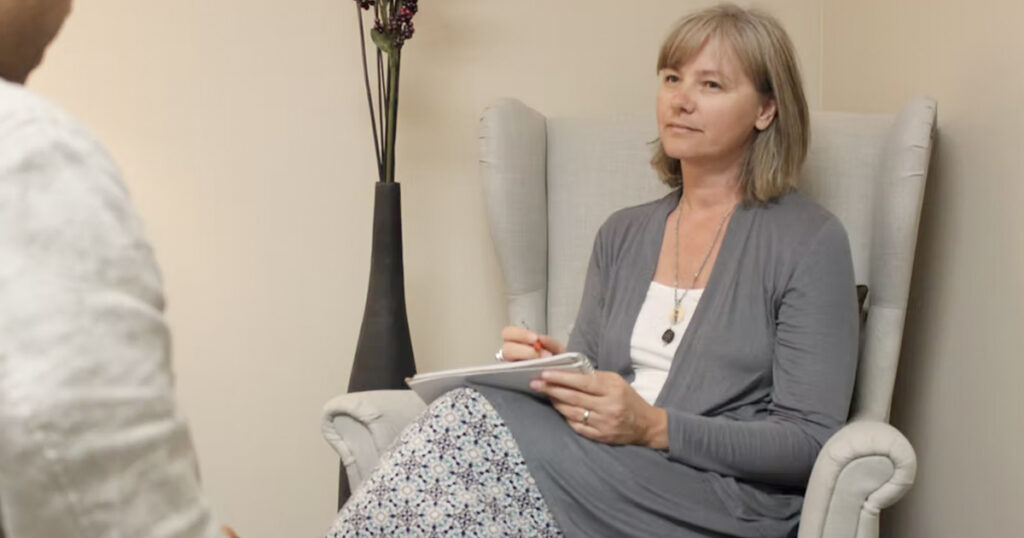
Internal Family Systems (IFS)
The basic assumption of this model is that we are an organism characterized by multiplicity. The six core assumptions of IFS:
- We all have parts and a Self. Parts are sub-personalities within us; the Self is our core, compassionate centre.
- All parts are valuable. Our protective parts have good intent. There are no “bad” parts.
- Parts form relationships like a family. Our parts polarize, support each other, or cluster together.
- Change can happen rapidly. We reorganize and change, sometimes in ways we only become aware of later.
- Stuck parts can be freed. Parts can choose something different when they believe it is safe to do so.
- Internal and external worlds influence each other. Changes in our internal world give us more options.
Begin Your Transformation
The journey starts with a Brain Assessment. Contact us to discuss whether this approach is right for you.